
Low Visibility Vehicle Monitor (LVVM) — Radar for Vehicle Detection in Fog and Other Low-Visibility Conditions
See Through the Unseen: Advanced Millimeter-Wave Radar
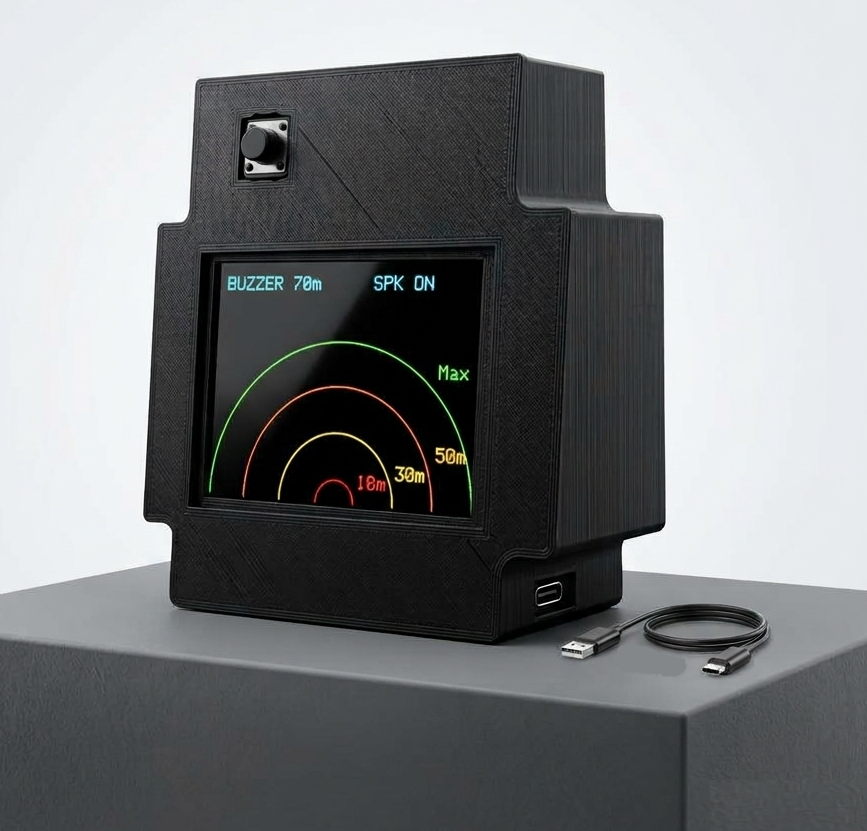
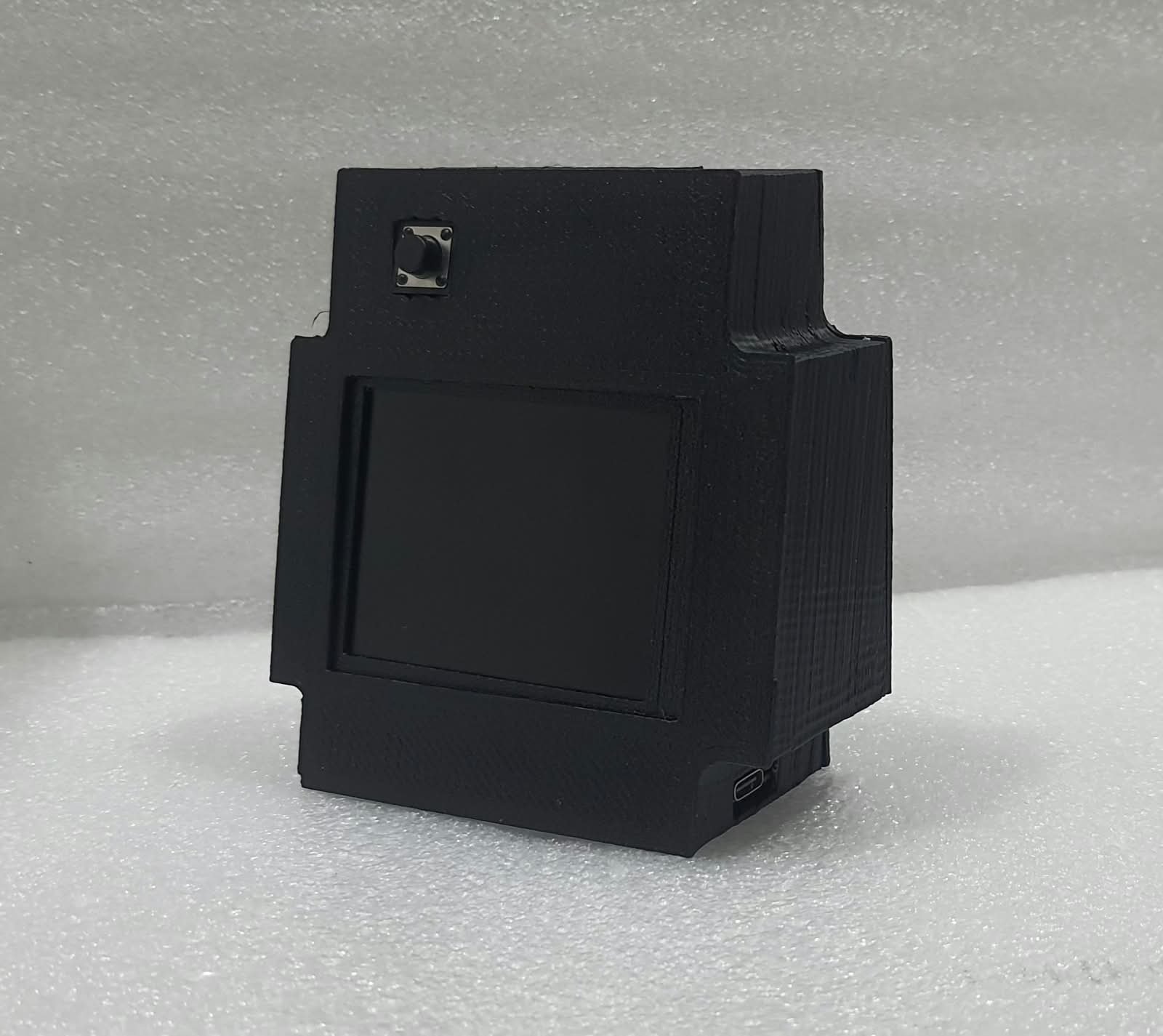
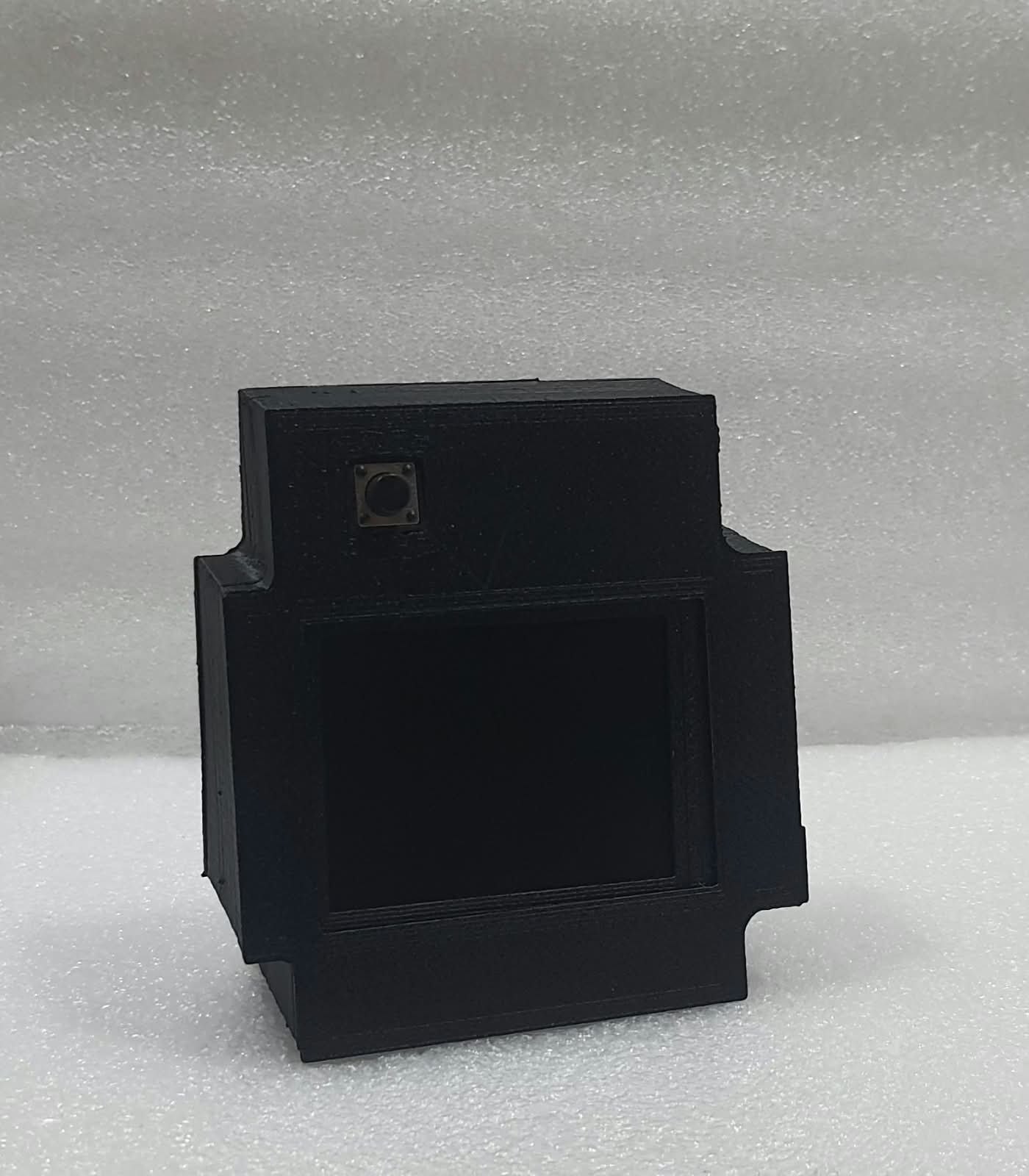
Driving through heavy fog, nighttime darkness, or blinding rain severely compromises road safety. To solve this, Elementum Dynamics developed the Low Visibility Vehicle Monitor (LVVM)—a dashboard-mounted, radar-based alert device that actively helps drivers track hazards ahead when natural sight fails.
Specifically, the device relies on advanced automotive radar to pinpoint forward traffic and project those targets directly onto an integrated screen. Because of its compact form factor, drivers can easily install it across consumer cars, commercial buses, and freight trucks alike.
Explore this cutting-edge radar alert system to maintain full situational awareness even in zero-visibility conditions. Furthermore, you can review the technical specifications, operating guidelines, limitations, and ordering options in the product breakdown below.
Key Features
-
Clear, Real-Time 2.8″ Radar Display
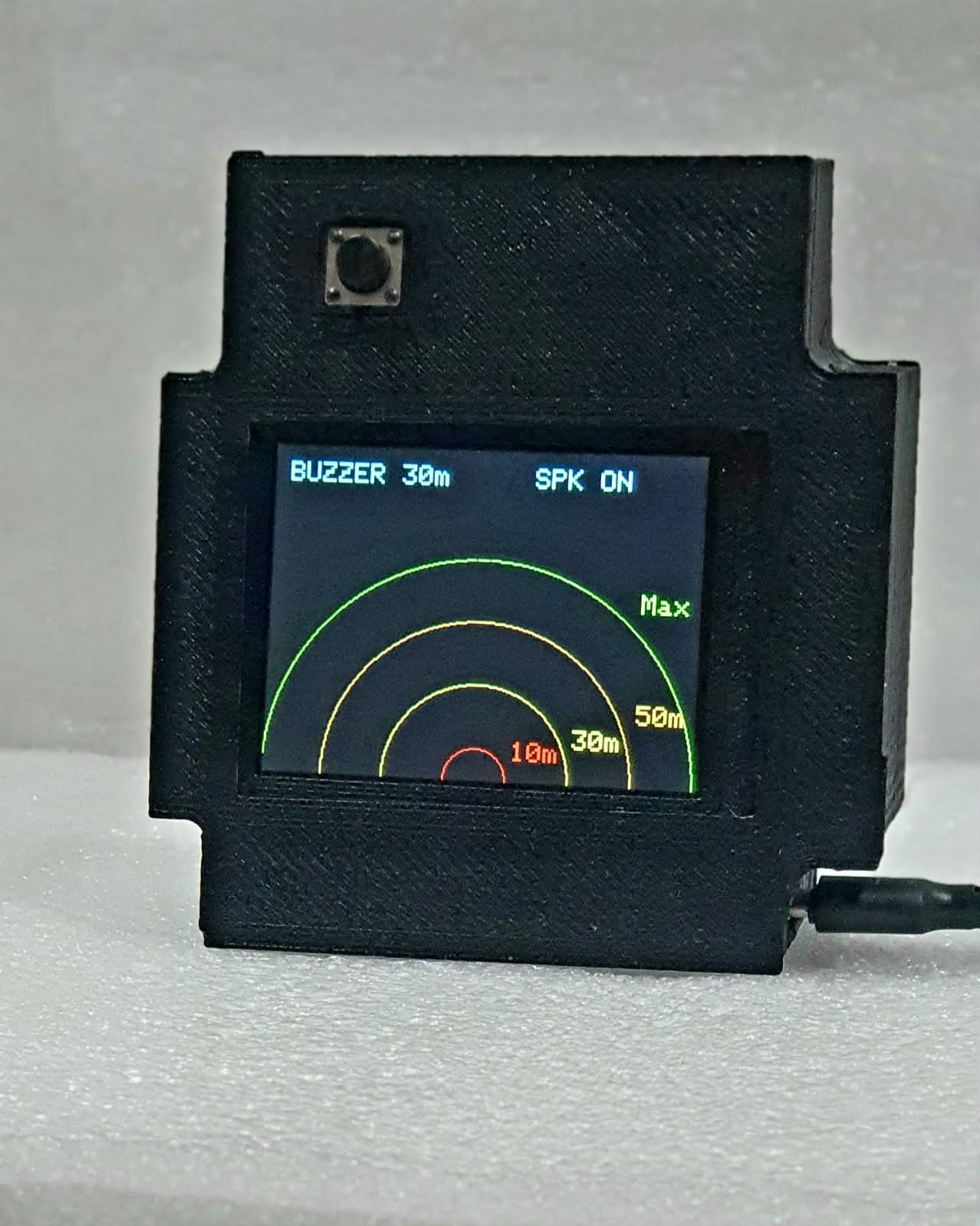
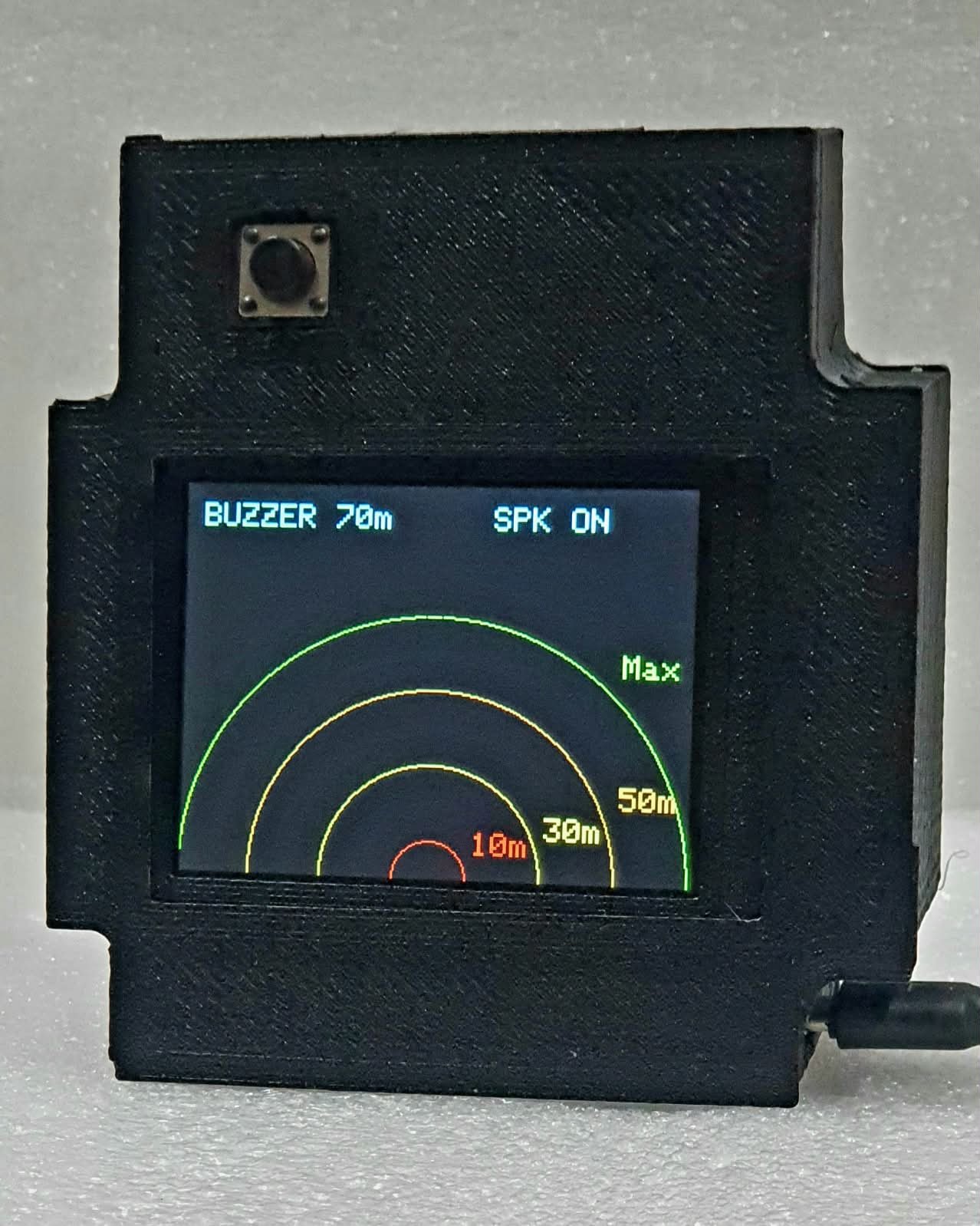
First, track up to 8 vehicles simultaneously right from your dashboard. Instead of showing confusing raw data, the screen plots targets intuitively with dynamic, color-coded distance zones:
-
🔴 Red (0–10 m): Critical proximity warning
-
🟠 Orange (10–30 m): Caution / approaching zone
-
🟡 Yellow (30–50 m): Intermediate tracking zone
-
🟢 Green (50 m+): Far-field awareness
-
-
Intelligent Progressive Audio Alerts
Consequently, you can keep your eyes locked on the road without glancing away. The LVVM emits smart, distance-responsive beeps that rapidly accelerate as forward vehicles close in, ultimately delivering maximum warning urgency within the critical 0–5 meter threshold.
-
Dual Highway & City Driving Modes
Additionally, you can tailor detection ranges to your immediate environment using the multi-function control button:
-
Highway Mode (70 m Trigger): Long-press the button to extend alert detection out to 70 meters, thereby giving you crucial extra reaction time at higher speeds.
-
City Mode (30 m Trigger): Alternatively, long-press to cap alerts at 30 meters, effectively preventing sensory fatigue during stop-and-go urban traffic.
-
Mute Toggle: Meanwhile, a quick short-press instantly mutes or restores the audible beeps.
-
-
Wide Multi-Lane Coverage (80° Field of View)
Thanks to a horizontal sweep angle spanning -40° to +40°, the unit scans up to three highway lanes simultaneously. Whenever dense traffic crowds the roadway, the built-in tracking algorithm automatically prioritizes whichever vehicle sits directly in your path.
-
100% Plug-and-Play Independence
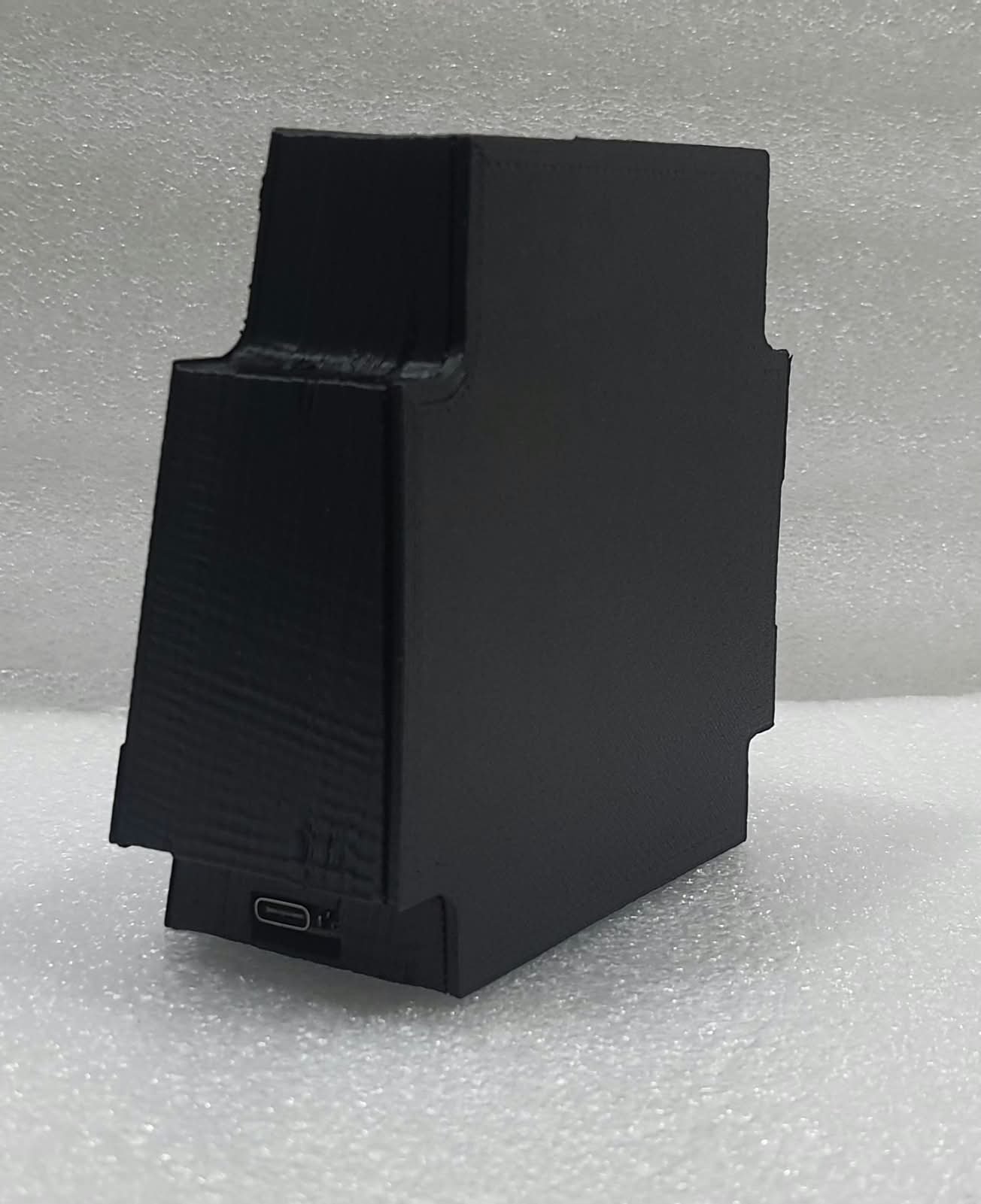
Above all, setup requires zero mechanical work, OBD-II port splicing, or external GPS signals. Simply mount the monitor on your dashboard with an unobstructed view through the windshield, connect the cable to any standard 5V USB outlet, and drive with immediate confidence.
Technical Specifications
| Specification | Details |
| Model Name | LVVM-01 |
| Technology | Millimeter-Wave (mmWave) Radar |
| Detection Range | 70 m to 90 m (Max, target/condition dependent) |
| Field of View (FOV) | 80° Horizontal (±40° azimuth) |
| Max Simultaneous Targets | Up to 8 vehicles |
| Display | 2.8-inch TFT Color LCD |
| Relative Speed Limit | Up to 100 km/h (Relative velocity between vehicles) |
| Operating Power | 5V DC via USB (Recommended supply: ≥ 2.5A) |
| Power Consumption | Ultra-efficient ~1.25 W (5V, 250mA) |
| Mounting | Dashboard placement (requires unobstructed forward view) |
| Vehicle Interface | Standalone (No OBD-II, CAN-bus, or GPS required) |
| Dimensions | 110 x 105 x 50 mm |
| Weight | 150 gm |
Important Operational Notes & Disclaimer
-
Radar Reflection: This device detects targets with significant radar cross-sections (metallic bodies like cars, trucks, and buses). It is not designed to detect pedestrians, animals, or non-metallic/narrow-profile objects like bicycles or light mopeds.
-
Driver Responsibility: The LVVM is an advanced driver assistance aid and should never replace alert driving, defensive driving habits, or driver judgment. Environmental conditions, target geometry, and speed differentials may affect radar return signals. Drivers remain solely responsible for the safe operation of their vehicle at all times.
Reviews
There are no reviews yet.